Make investing a habit with SIPs
Starting an SIP early provides you the benifits of compounding and
helps you in achieving your financial goal



SIP - Systematic Investment Plan
Systematic Investment Plan (SIP) is a way of investing in mutual funds through which an investor can invest a fixed amount in mutual fund of his/her choice at regular intervals.
Like a Recurring Deposit, an investor can invest fixed amount at regular intervals (monthly or quarterly) through SIP. Rather than investing a large amount one-time through lump sum mode, more investors now prefer to invest smaller amounts regularly through the SIP mode. You can start investing through SIP in a mutual fund with an amount as low as Rs 100 per month.
Why Invest in Mutual Funds With Us?

Top Rated Funds
Schemes highly rated by Value Research to help you make investing decisions and navigate the Mutual Funds landscape

One Click Mutual Fund
Explore our readymade, theme-based Mutual Fund portfolios consisting of top Mutual Funds

Portfolio Insights
Get in-depth insights into your Mutual Funds portfolio; explore sector allocation, holdings overlap, risk ratios, and performance analysis

Step 1:
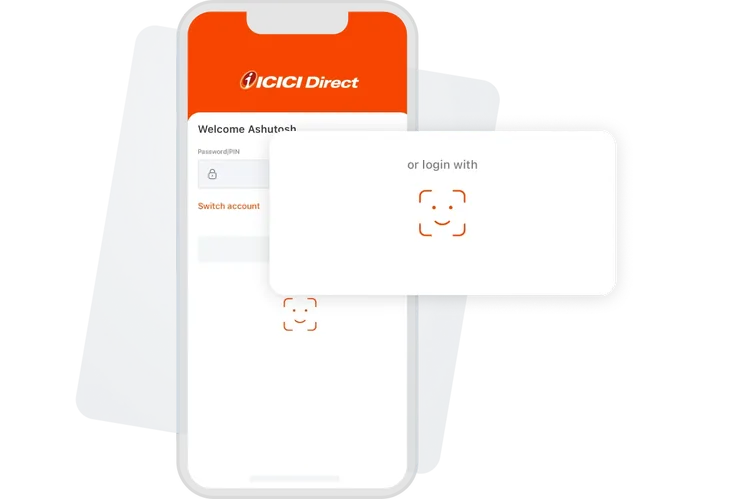
Login to your account on the ICICI Direct app.

Step 2:
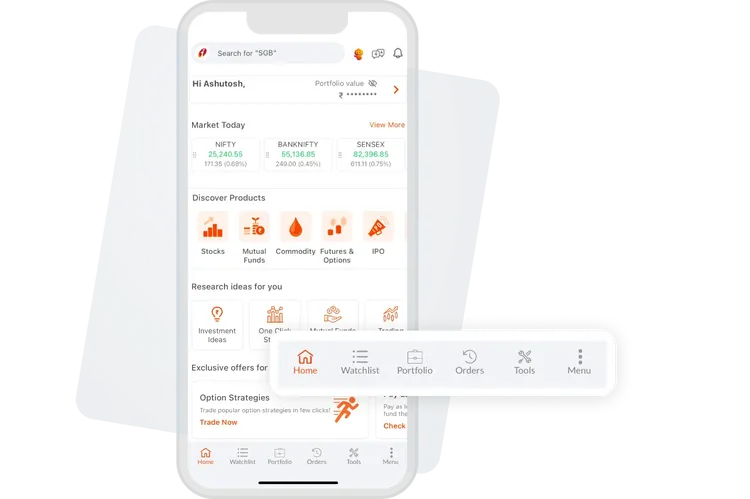
Tap on the ‘Tools’ button located near the bottom of your screen.

Step 3:
Under the stocks section, click on ‘Research Ideas’.

Step 4:
Explore stock trading and investment recommendations, Stock Baskets, Research Reoprts and more.
Step 1:
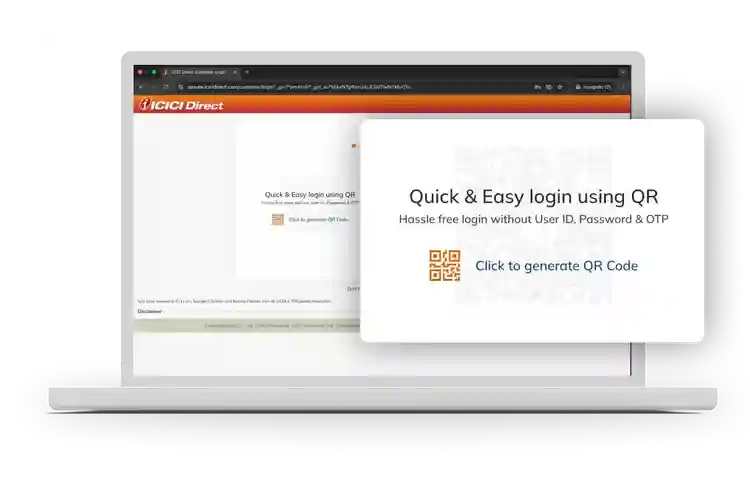
Login to ICICI Direct.
Step 2:
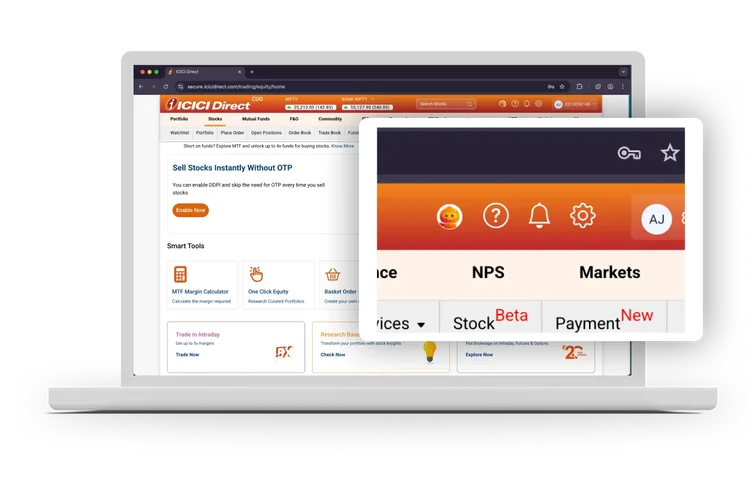
Tap on the "Research" section present in top menu.
Step 3:
Choose between "Stock" or "Derivative" options.
Step 4:
Explore stock trading and investment recommendations, Stock Baskets, Research Reoprts and more.

Related articles on IPO



Our Videos

Investing
For beginner

Investing
For beginner

The IPO cycle refers to the various stages a company goes through before, during, and after launching an IPO. It includes:
- Pre-IPO Phase – This place includes planning, compliance checks, financial audits, and SEBI approvals.
- Offer Period – Here, the IPO opens for subscription, and investors place bids.
- Allotment & Listing – In this phase, shares are allocated, and the company gets listed on the stock exchange.
- Post-IPO Compliance – Post-IPO, the company must adhere to SEBI regulations and provide periodic financial disclosures.
REITs have a three tier structure which includes Sponsor, Trustee and Manager.
Sponsor: The sponsor is the entity who forms the REIT. They set up the REIT and transfer the properties/real estate owned by them to the trust. A real estate developer desiring of raising funds plays the role of a sponsor in a REIT
Trustee: The trustee is a person appointed by the sponsor, who holds the assets on behalf of the unitholders.
Manager: The trustee appoints a manager who manages the REIT assets and is responsible for making investment decisions. The manager is typically a private company closely held by the sponsor
REITs generate returns for investors in three ways –
Dividend Income: REITs are required to distribute at least 90% of its net distributable cash flow i.e. rents minus the expenses to manage the properties, as dividends at least twice a year. The dividend payouts can rise if rental rates rise or if the REIT builds additional properties and leases them out. Higher the rent, higher the dividends.
Interest Income: REITs can distribute interest income that it earns on loans given out to its subsidiaries. Most REITs do not own properties directly. Instead, they hold stakes in Special Purpose Vehicles (SPVs) which, in turn, directly hold the properties. REITs lend money to these SPVs for constructing or managing a building and the SPVs in turn repay those loans back with interest to the REIT over time.
Capital Appreciation: The price of an REIT’s units can rise or fall over time just like stock prices and result in capital gains or losses for the investor. Higher incomes due to rent escalation clauses and on-boarding of new properties lead to a re-rating of an REIT unit’s price.
Investors have multiple ways to invest in REITs. You can buy / sell the units through ICICI Direct platform as the REITs are listed on the stock exchanges.
Also, an investor can apply to the Initial Public Offering (IPO) of the REIT. The minimum application value will range between Rs. 10,000 – Rs. 15,000.